Wondering whether Brightwood still offers real choices for different budgets and lifestyles in DC? The answer is yes, but the options can look very different from block to block. If you are trying to decide between a rowhome, semi-detached house, or condo, this guide will help you understand what buyers are seeing in Brightwood today and how to think through the trade-offs. Let’s dive in.
Brightwood offers a wide housing mix
Brightwood is a largely residential neighborhood in Ward 4 with a housing stock shaped by its history as a former village and later a streetcar suburb. Today, that mix includes townhouses, small apartment buildings, single-family homes, and newer housing tied to the Walter Reed redevelopment.
That variety is one of Brightwood’s biggest strengths for buyers. Instead of a one-note neighborhood, you will find older attached homes, semi-detached properties, and condo options that can fit different budgets, maintenance preferences, and space needs.
Rowhomes remain a core Brightwood option
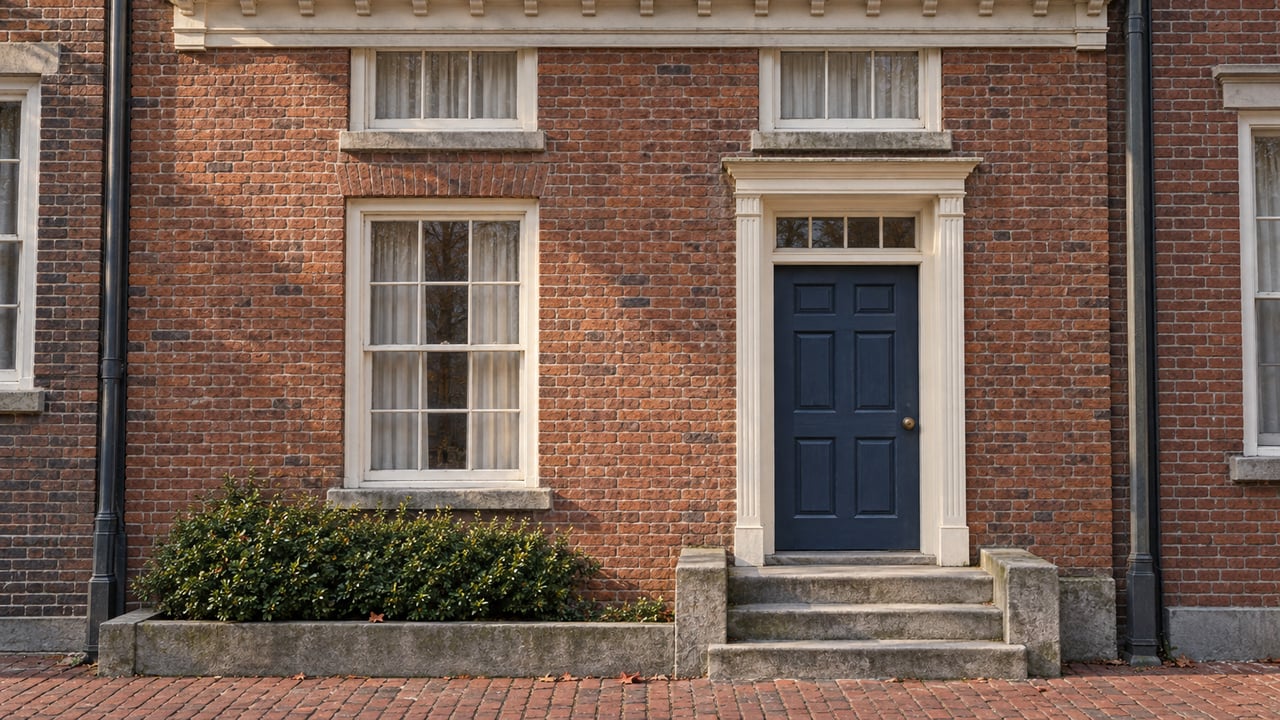
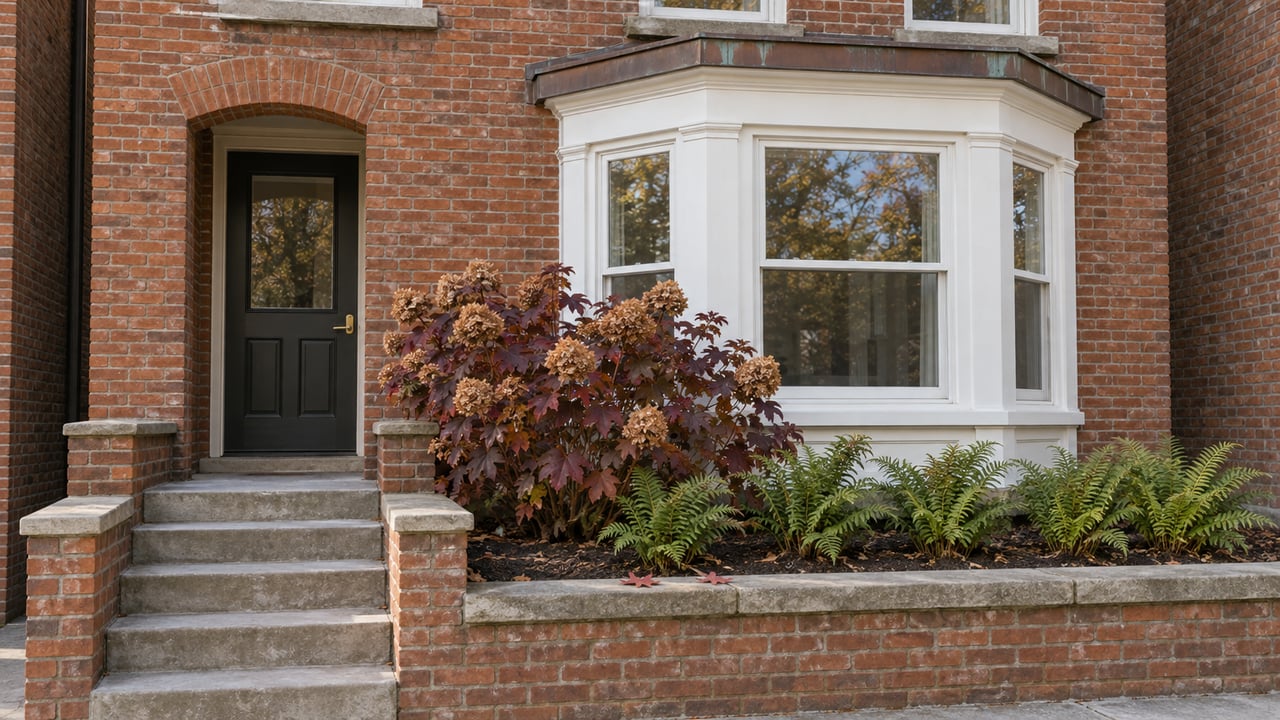
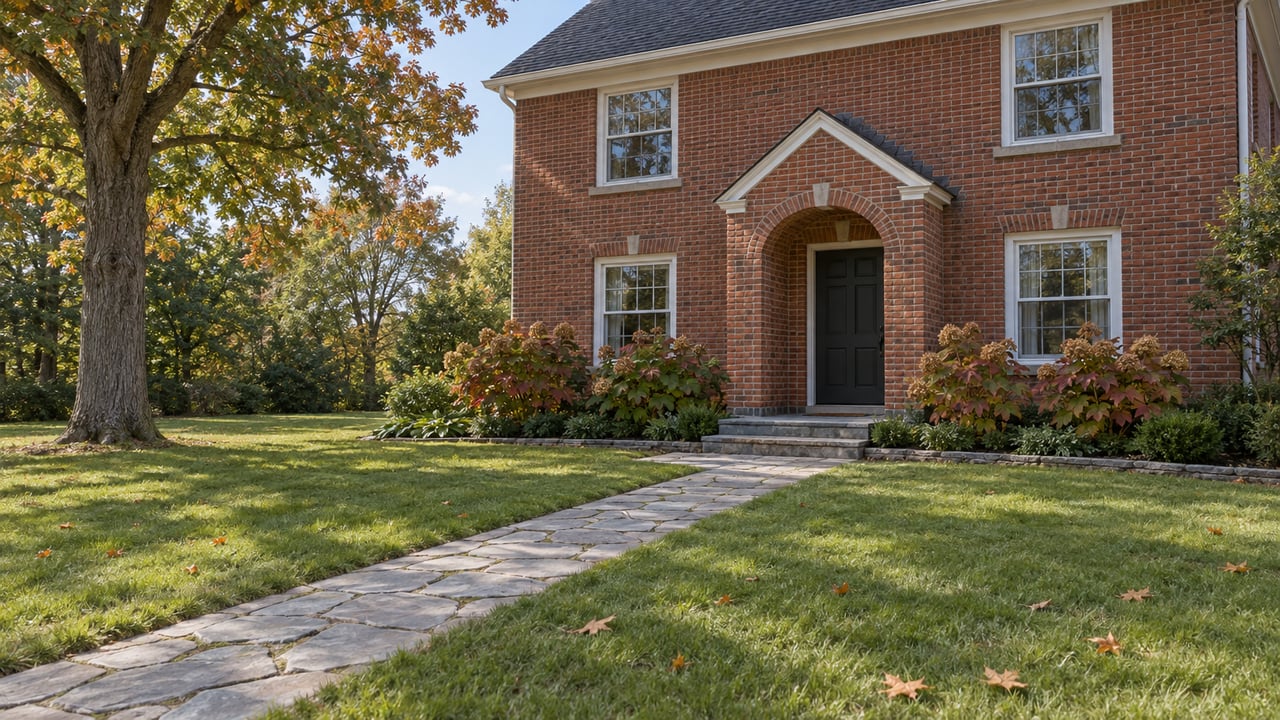
If you picture classic DC housing, Brightwood rowhomes will likely feel familiar. Many are early- to mid-20th-century brick homes with features buyers still value today, such as front porches, hardwood floors, fireplaces, fenced yards, basement space, and some form of off-street or alley parking.
Recent examples in the neighborhood reflect that pattern. One rowhouse on Powhatan Place NW was a three-bedroom, two-bath home built in 1936 and valued around $557,000, while another on Rittenhouse Street NW was described as a 1941 home with original trim, a modern HVAC system, a front porch, back deck, and multiple parking spaces.
For many buyers, rowhomes hit a practical middle ground. You may get more interior space and outdoor potential than a condo, while still staying below the price point of some higher-end detached-home areas nearby.
What rowhome buyers may like most
Buyers often choose rowhomes in Brightwood for a few clear reasons:
- More living space than many condo options
- Older architectural details and brick construction
- Yard, patio, or deck potential
- Basement space for storage or flexible use
- Parking possibilities on some properties
That said, not every rowhome offers the same setup. Condition, updates, lot size, and parking can vary a lot, so it helps to compare homes carefully instead of assuming every block delivers the same experience.
Semi-detached homes add separation and space
Semi-detached homes are another important part of Brightwood’s housing mix. Planning documents note that attached homes are concentrated west of Georgia Avenue, and the neighborhood’s development story includes communities of semi-detached homes built for moderate-income buyers.
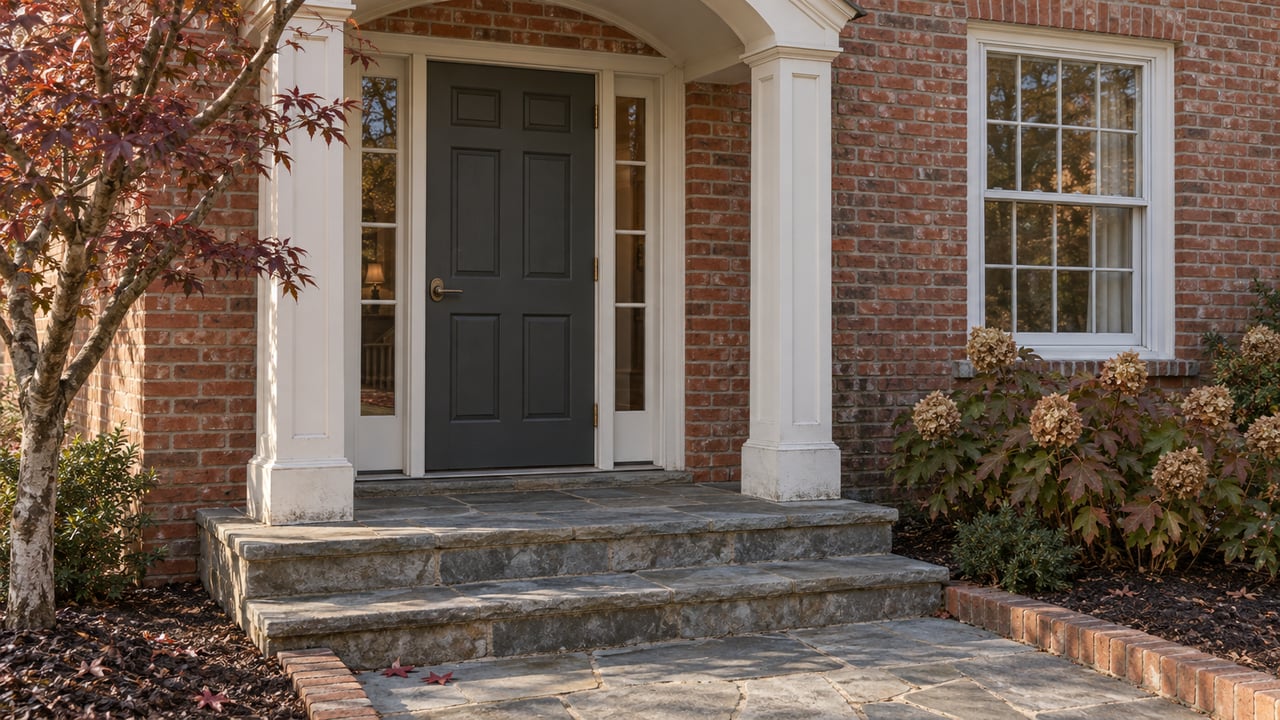
For today’s buyer, semi-detached homes can be appealing if you want a little more separation from neighbors without moving into a fully detached home. A current example on 5th Street NW was described as a four-bedroom home with original charm, a fireplace, den, pantry, backyard space, and garage parking, with an estimated value around $624,000.
Why buyers consider semi-detached homes
A semi-detached home may be worth a closer look if you want:
- More privacy than a typical rowhome
- A yard or outdoor space
- Garage or additional parking potential
- Extra interior rooms for work or guests
- A traditional home feel in a DC neighborhood setting
This option can work well for buyers who want a little more breathing room but still want to stay in northwest DC.
Condos create lower-entry opportunities
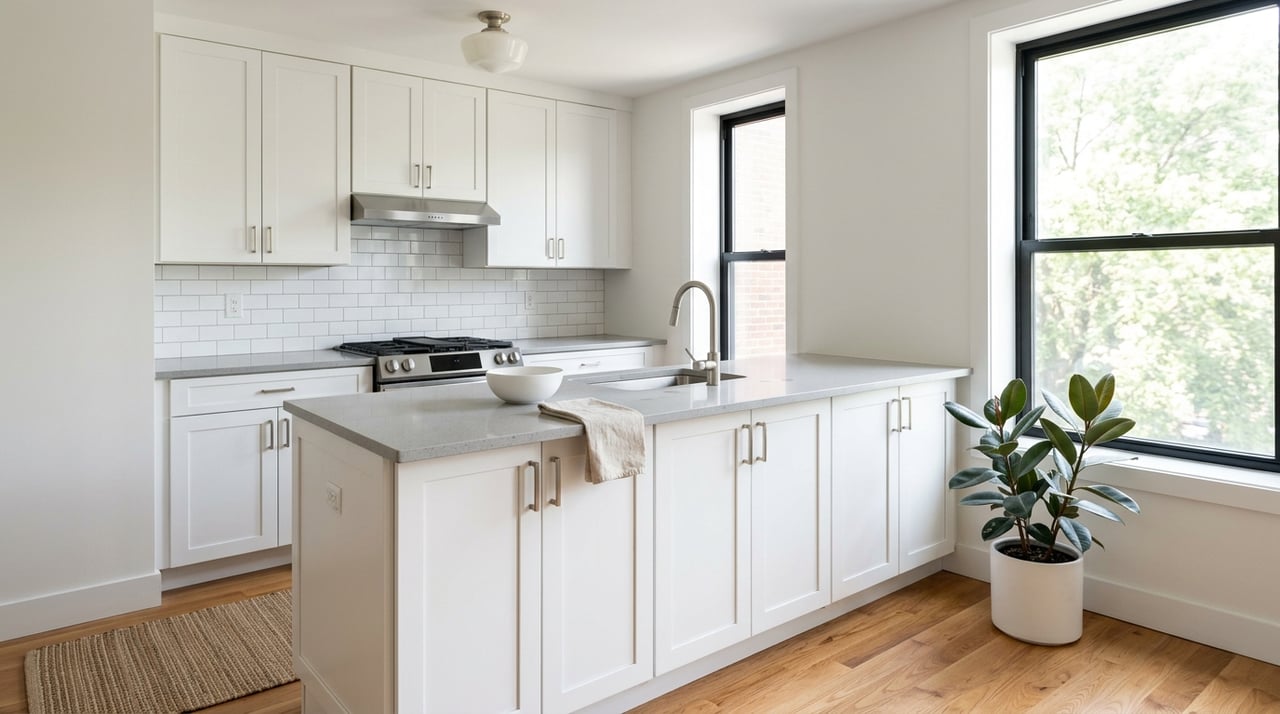
If your top priorities are a lower purchase price or less exterior maintenance, Brightwood condos may deserve strong consideration. Older low-rise buildings can offer a more accessible entry point, while newer homes around Walter Reed bring a more modern product at a higher price level.
Current listing examples show this range clearly. Some one-bedroom Brightwood condos are listed in the mid-$100,000s, while condos at The Parks at Walter Reed have had a median listing price around $500,000.
That gives buyers a broader ladder of entry than the neighborhood average might suggest. You may be able to buy into Brightwood through an older condo building at a much lower upfront cost than a rowhome or semi-detached property.
Where condos fit best
Condos may make the most sense if you are looking for:
- A lower entry price than many houses
- Less day-to-day exterior upkeep
- Newer finishes in some Walter Reed inventory
- A simpler option for a first purchase or downsizing move
The trade-off is usually space. Compared with houses, condos may offer less interior flexibility, less private outdoor space, and fewer parking options.
Walter Reed adds a newer housing choice
One reason Brightwood feels different from some nearby neighborhoods is the Walter Reed redevelopment. DC planning and development materials describe it as a major mixed-use project that has already delivered housing and continues to add townhomes, condos, apartments, retail, and open space.
That means buyers in Brightwood are not limited to older housing stock. At the Walter Reed campus, newer homes emphasize modern finishes and community amenities, and a June 2026 development announcement described Canopy Row as adding 141 family-sized homes, including traditional townhomes and stacked two-to-four-bedroom units.
For buyers who want new construction in this part of DC, Walter Reed stands out as a meaningful source of inventory. It also expands Brightwood’s appeal beyond buyers who only want historic or early 20th-century homes.
What housing style to expect
Brightwood’s homes span a long timeline, roughly from the 1890s through the 1940s, with newer construction now added through Walter Reed. That layered history helps explain why the neighborhood feels varied rather than uniform.
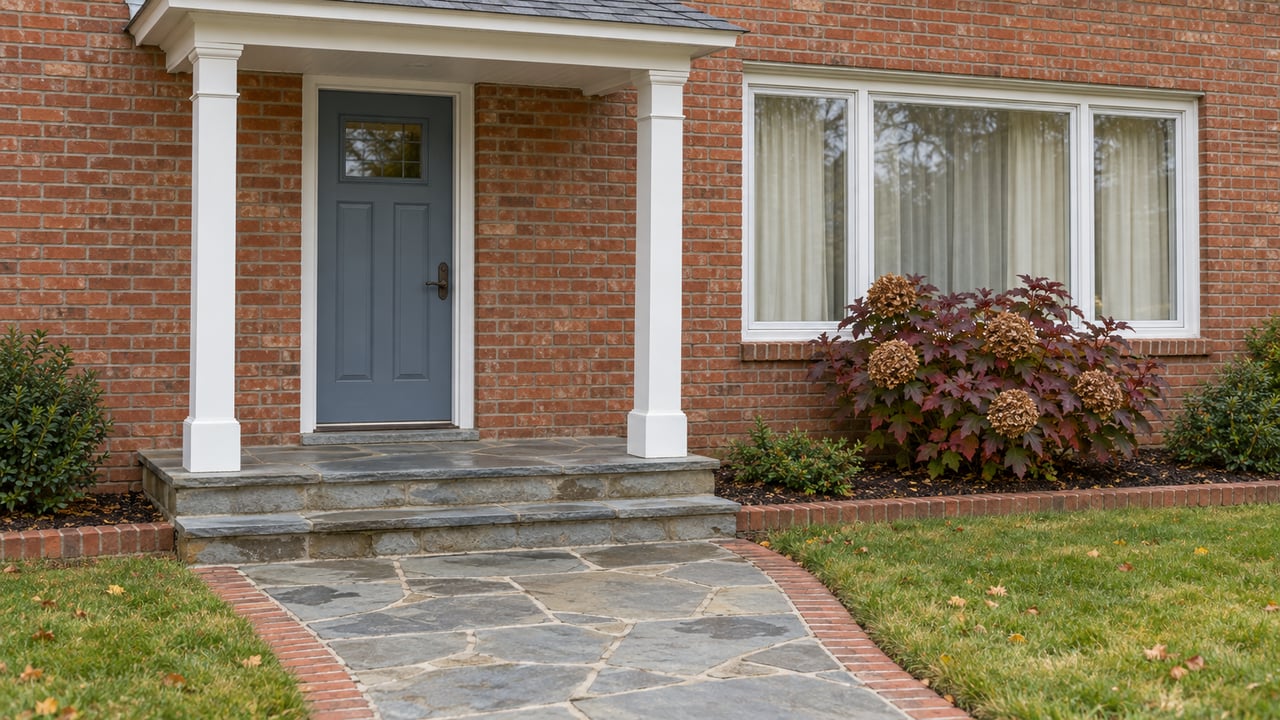
In practical terms, older Brightwood homes often bring brick facades, front porches, original wood trim in some properties, and in certain cases larger lots than buyers expect in DC. Many also pair that older character with updates like renovated kitchens, modern HVAC systems, or improved parking setups.
Apartment buildings from the 1930s also add a distinct design element to the neighborhood, reflecting Art Deco and Moderne influences in some cases. If you enjoy architectural variety, Brightwood offers more range than many buyers realize at first glance.
How Brightwood compares on price
Brightwood sits in a middle-to-upper-middle price band for northwest DC. Zillow’s April 2026 home value data put Brightwood’s typical home value at $674,059, which is above Washington overall at $580,173 and above nearby Manor Park at $599,011.
It is also roughly in line with nearby Takoma at $647,950 and Petworth at $642,316. At the same time, Brightwood is priced above Brightwood Park at $486,671, below Shepherd Park at $999,442, and below 16th Street Heights at $746,241.
For buyers, that pricing spread matters. Brightwood can function as a compromise neighborhood if you want to stay in northwest DC and are trying to balance space, location, and cost.
A simple way to frame the price story
Here is a useful shorthand for thinking about Brightwood:
- More affordable than some higher-priced nearby areas like Shepherd Park
- More expensive than some lower-entry adjacent areas like Brightwood Park
- Competitive with nearby northwest DC neighborhoods such as Takoma and Petworth
- Wide range of entry points because condos, rowhomes, and semi-detached homes sit in different price tiers
That range can be helpful if you are flexible on property type. A buyer priced out of one segment of Brightwood may still find a fit in another.
The main trade-offs buyers should weigh
Brightwood’s biggest buyer decision is often space versus convenience. Planning materials place the neighborhood near the Georgia-Petworth and Takoma Metro stations and note bus service along major corridors, so car-light commuting can be realistic depending on where you buy.
At the same time, the experience can vary by block. Some buyers may prioritize easier transit access, while others may care more about yard size, parking, or a lower-density feel.
That is why it helps to think beyond the neighborhood name alone. In Brightwood, your day-to-day experience may depend heavily on whether you choose an older condo building, a rowhome on a quieter residential block, or a newer home connected to Walter Reed.
Questions to ask yourself before buying
Before you narrow your search, consider these questions:
- Do you want the lowest possible entry price, or more space?
- How important are parking and outdoor space?
- Would you prefer older character or newer finishes?
- Do you want less maintenance, even if that means less square footage?
- How important is being closer to major transit corridors?
Your answers can quickly point you toward the right housing category.
Which Brightwood housing option fits you?
If you want classic DC character, more room, and flexibility, a rowhome may be your best fit. If you want some of those same benefits with a bit more separation and yard or garage potential, a semi-detached home may be the stronger match.
If you are focused on a lower upfront price or a simpler ownership experience, an older condo may offer the clearest path in. And if you want newer construction with modern finishes, Walter Reed inventory may be the part of Brightwood worth watching most closely.
The key is that Brightwood is not just one thing. It is a neighborhood where first-time buyers, move-up buyers, and buyers looking to balance budget, commute, and maintenance can all find real possibilities.
If you want help comparing Brightwood homes and deciding which option best fits your budget and goals, connect with Yolanda V. Burgess for a free consultation.
FAQs
What types of homes can buyers find in Brightwood DC?
- Buyers in Brightwood can find rowhomes, semi-detached houses, condos in older low-rise buildings, small apartment-style buildings, and newer homes connected to the Walter Reed redevelopment.
How much do homes cost in Brightwood DC?
- Zillow’s April 2026 data shows a typical Brightwood home value of $674,059, but actual prices vary by property type, with some one-bedroom condos in the mid-$100,000s and newer Walter Reed condos around a $500,000 median listing price.
Are Brightwood DC rowhomes a good option for buyers who want more space?
- Rowhomes can be a strong option if you want more interior space, basement flexibility, and possible outdoor or parking features compared with many condos.
Are there newer homes for sale in Brightwood DC?
- Yes. The Walter Reed redevelopment has added newer townhomes, condos, apartments, and additional housing, giving buyers modern construction options within the broader Brightwood area.
How does Brightwood DC compare with nearby neighborhoods on price?
- Brightwood is generally priced above Brightwood Park and Manor Park, roughly in line with Takoma and Petworth, and below higher-priced nearby areas like Shepherd Park and 16th Street Heights.