Wondering which Alexandria neighborhood actually fits your lifestyle? That is a smart question, because Alexandria is not one-size-fits-all. If you are planning a move, a home search, or even just narrowing your options in Northern Virginia, this guide will help you understand how Alexandria’s neighborhoods differ in feel, mobility, housing patterns, and everyday routine. Let’s dive in.
Why Alexandria Feels So Distinct
Alexandria works best when you think of it as a collection of neighborhood experiences instead of a single market. According to Visit Alexandria’s neighborhood guide, areas like Old Town, Del Ray, West End, Carlyle and Eisenhower, Potomac Yard, and Old Town North each offer a different mix of history, public space, dining, and commuting options.
That matters when you are choosing where to live. Two neighborhoods can be in the same city but deliver a very different day-to-day experience, from how often you walk to coffee to how easily you reach Metro, parks, or highways.
Old Town and Old Town North
Historic, walkable, and waterfront-oriented
Old Town is Alexandria’s historic waterfront core. It is known for centuries-old architecture, King Street’s shopping and dining corridor, and a strong concentration of local boutiques and restaurants.
If you want a neighborhood where daily life can include strolling to dinner, browsing local shops, or spending time near the water, Old Town stands out. It is one of the city’s most walkable and visitor-active areas, which gives it energy throughout the week.
Old Town North adds a slightly different rhythm. Just north of Oronoco Street, it blends riverside green space with public art, coffee spots, and newer dining, creating an arts-and-cultural-district feel that still connects to the waterfront identity of Old Town.
What housing and lifestyle may feel like
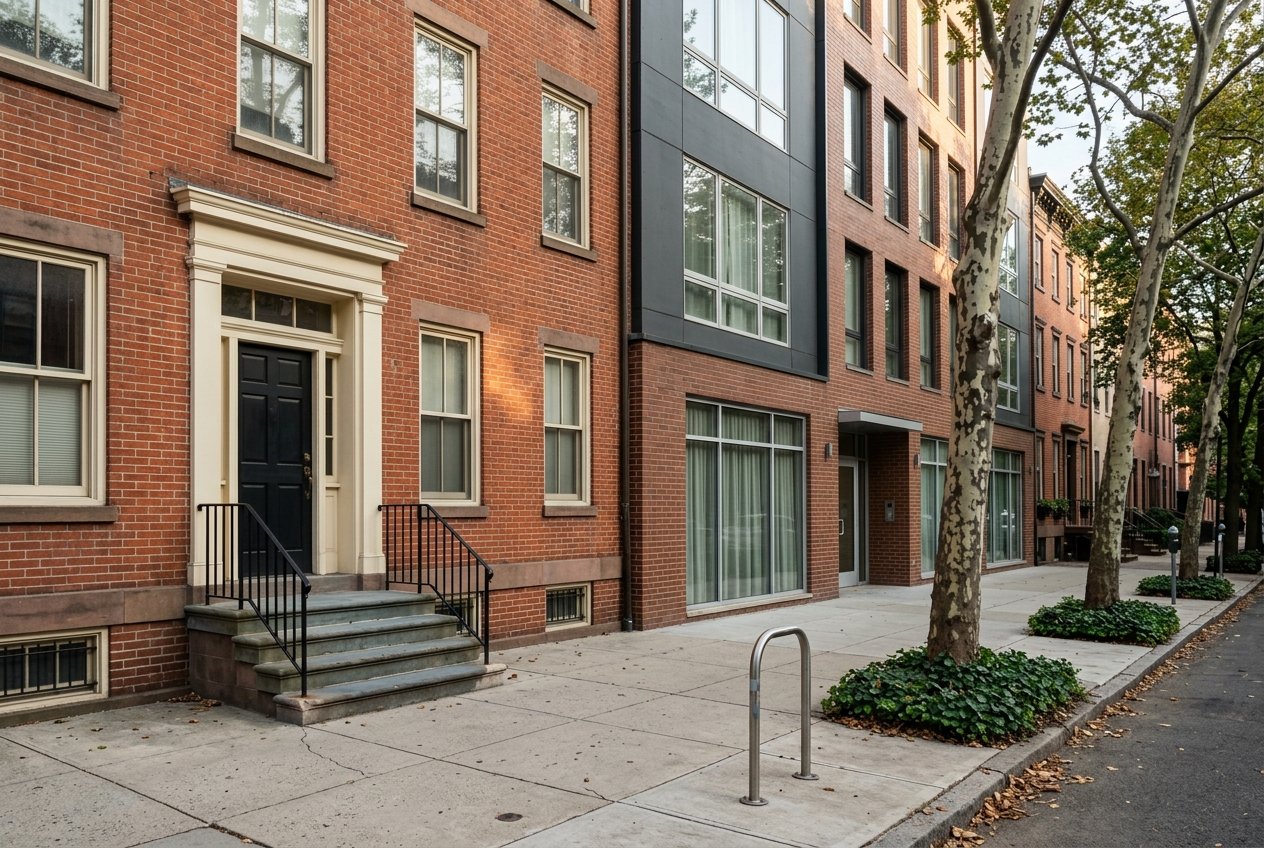
Old Town tends to read as a denser historic housing market. The City of Alexandria’s housing analysis notes a high concentration of townhouse and townhouse-like buildings in this part of the city.
For many buyers, that translates to a more urban, connected feel. If your ideal routine includes walking more, driving less, and living near Alexandria’s best-known historic streets and waterfront spaces, Old Town and Old Town North are often natural starting points.
Del Ray
Main-street living with a local feel
Del Ray is often described as Alexandria’s modern-day main street. Mount Vernon Avenue anchors the neighborhood with brunch spots, outdoor dining, murals, vintage shopping, farmers markets, and seasonal festivals.
This area has a compact, neighborly feel that appeals to people who want convenience without the pace of a larger downtown setting. Its historical roots as a streetcar suburb also help explain why the neighborhood feels so walkable and easy to navigate.
Housing character in Del Ray
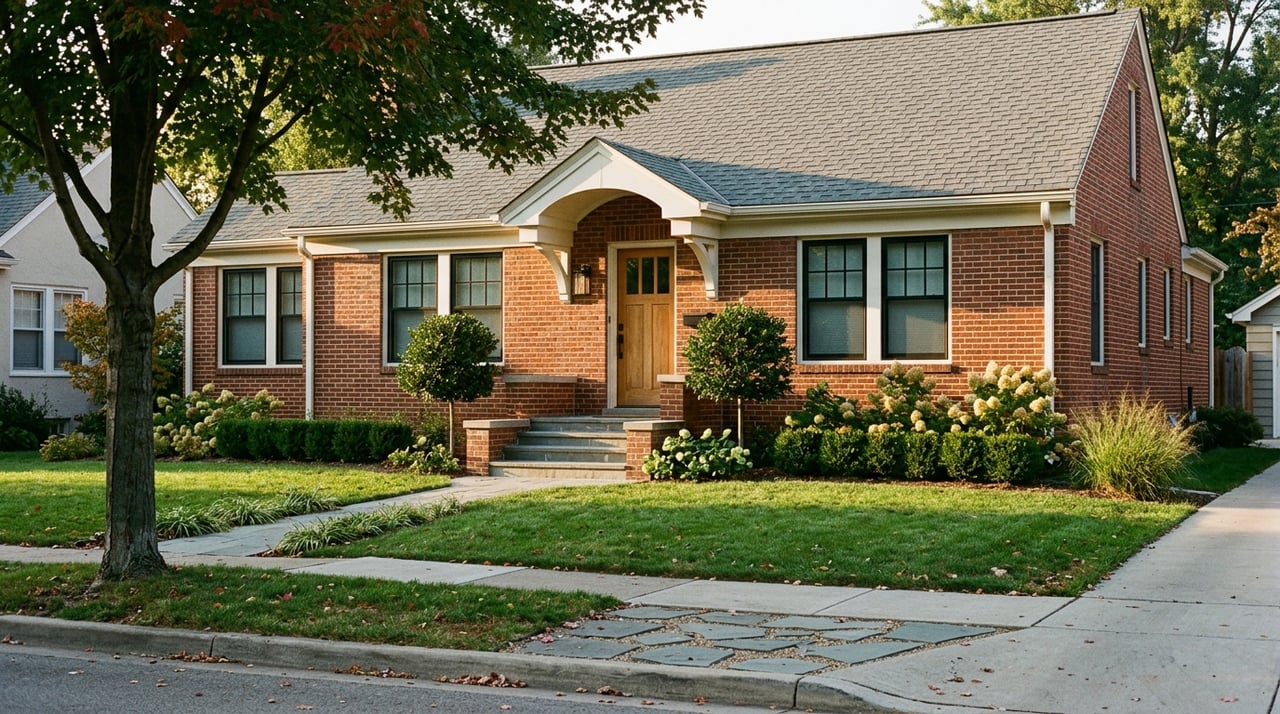
Del Ray’s city pattern book gives useful insight into the neighborhood’s physical character. It describes an area built around small lots, large shade trees, big backyards, and a mix of modest single-family homes, semi-detached homes, and townhouses.
Common architectural styles include Queen Anne, Folk Victorian, Craftsman Bungalow, Colonial Revival, and Tudor Revival. For buyers who appreciate older housing stock and a neighborhood pattern shaped by front porches, trees, and a walkable grid, Del Ray offers a distinctive setting.
West End
More space and easier highway access
The West End is Alexandria’s largest neighborhood and includes smaller communities such as Seminary Hill, Cameron Station, and Taylor Run. Compared with the historic core, the West End tends to feel more park-oriented and highway-connected.
Visit Alexandria highlights the area for breweries, international dining, and larger parks. If your lifestyle leans toward driving more often, enjoying broader road access, or spending time in larger open spaces, the West End may feel more practical for your routine.
A different pace from the historic core
The West End does not mirror the tight street pattern of Old Town or Del Ray. Instead, it offers a more spread-out experience with easier access to I-395 and a development pattern that supports a different kind of daily flow.
The city is also focusing transit improvements in this part of Alexandria through a new transit center tied to Landmark and West End redevelopment. That makes this area worth watching for buyers who want a neighborhood with evolving infrastructure and mixed-use growth.
Carlyle and Eisenhower
Transit, offices, and mixed-use energy
Carlyle and Eisenhower function as Alexandria’s entrepreneurial hub. Located just west of Old Town and extending into the Eisenhower Valley, this area blends restaurants, retail, and mixed-use development with a more office-and-transit-centered rhythm.
For some buyers and renters, that can be a major plus. If you like the idea of newer development and a neighborhood that feels connected to both work centers and transit, Carlyle and Eisenhower offer a different kind of convenience than Alexandria’s older neighborhoods.
Best fit for newer-feeling convenience
This area is less about historic charm and more about accessibility and mixed-use living. It can appeal to people who want a modern environment where residential options connect closely to retail, employment centers, and transportation.
In a city known for its older architecture, that contrast is part of what makes Alexandria appealing overall. You can choose between historic texture and contemporary convenience depending on your priorities.
Potomac Yard
One of Alexandria’s newest districts
Potomac Yard is one of Alexandria’s newest major mixed-use districts. It sits between Old Town North and Del Ray, giving it a location that connects well to other popular parts of the city while still feeling newer in design and layout.
The neighborhood is especially notable for the new Virginia Tech campus and the Potomac Yard Metro station. Those additions make it one of Alexandria’s most transit-oriented and forward-looking areas.
A strong option for transit-first living
If you want a neighborhood where new development, transit access, and mixed-use convenience play a big role in daily life, Potomac Yard deserves attention. It already includes regional dining draws and a public realm shaped by trail connections and walkability.
For buyers who prefer a newer-feeling setting over a historic one, Potomac Yard can offer a simpler match. It is one of the clearest examples of Alexandria’s growth beyond its traditional core.
Getting Around Alexandria
Flexible for transit and drivers
Alexandria sits about five miles south of Washington, D.C., and offers a strong mix of transportation options. The city is served by five Metrorail stations, Amtrak, water taxi service, DASH buses, and the free King Street Trolley.
That variety gives you flexibility in how you plan your daily routine. You can live in a more transit-oriented neighborhood like Potomac Yard, stay near King Street in Old Town, or choose an area like the West End that works well for drivers.
Neighborhood access can shape lifestyle
King Street acts as a central node for shopping, dining, arts, rail access, and trolley service in Old Town. Del Ray’s nearest Metro stop is Braddock Road, while Potomac Yard has its own Blue and Yellow Line station.
In practical terms, commute style may be one of the fastest ways to narrow your choices. If you want a car-light lifestyle, neighborhoods near Metro and major corridors may rise to the top. If you prefer easier highway access, the West End may make more sense.
Dining, Shopping, and Daily Routine
Alexandria has multiple main streets
One of the most useful ways to understand Alexandria is to look at its neighborhood commercial corridors. King Street is the city’s best-known street for shopping, dining, and arts, while Mount Vernon Avenue serves a similar role in Del Ray.
The West End stands out for craft beer and international dining. Carlyle and Eisenhower offer restaurants and retail tied to office and mixed-use development, while Old Town North continues to grow as a destination for arts, coffee, and newer dining.
Lifestyle depends on your everyday habits
If your ideal Saturday starts with a waterfront walk and boutique browsing, Old Town may feel like the strongest fit. If you picture brunch, local markets, and a neighborhood main street, Del Ray may feel more aligned.
If you care most about newer convenience, mixed-use access, and transit, Potomac Yard or Carlyle and Eisenhower may stand out. If you want parks, broader roads, and a more spread-out feel, the West End may be easier to picture as home.
Outdoor Space and Active Living
Parks, trails, and waterfront access
Alexandria’s outdoor identity is another major lifestyle factor. Old Town’s waterfront, Old Town North’s Oronoco Bay Park and Mount Vernon Trail access, West End parks such as Ben Brenman Park and Fort Ward, and Potomac Yard’s trail-oriented public realm all support time outside.
Even Del Ray’s compact street grid contributes to an outdoorsy feel because many errands can happen on foot. In Alexandria, active living is not just about formal recreation. It is also about whether your neighborhood makes walking, biking, and spending time outdoors feel natural.
How to Choose the Right Alexandria Neighborhood
Start with lifestyle first
Before you focus only on square footage or finishes, think about how you want your week to feel. Your best neighborhood match often comes down to daily habits more than headline features.
Ask yourself questions like:
- Do you want historic streets or newer development?
- Would you rather walk to restaurants or drive more often?
- Is Metro access a priority?
- Do you want a waterfront setting, a main-street feel, or larger parks nearby?
- Are you drawn to townhomes, mixed-use living, or detached homes with yards?
A simple neighborhood snapshot
| Neighborhood | Best known for | General lifestyle feel |
|---|---|---|
| Old Town | Waterfront, history, King Street | Walkable, historic, active |
| Old Town North | Arts, green space, newer dining | Walkable, river-adjacent, polished |
| Del Ray | Mount Vernon Avenue, markets, murals | Main-street, neighborly, compact |
| West End | Parks, breweries, international dining | More spread out, park-oriented, driver-friendly |
| Carlyle and Eisenhower | Mixed-use development, offices, transit | Modern, connected, convenient |
| Potomac Yard | New development, Metro, Virginia Tech campus | Transit-oriented, newer, evolving |
Alexandria offers real variety in a relatively compact city. That is good news for buyers, sellers, and relocators because it means you can be specific about the lifestyle you want instead of settling for a generic city experience.
If you are planning a move in Alexandria or anywhere across Northern Virginia, DC, or Maryland, working with a local expert can help you match your goals to the right neighborhood and home. To get clear, practical guidance tailored to your next move, connect with Yolanda V. Burgess.
FAQs
What is the lifestyle like in Old Town Alexandria?
- Old Town offers a historic, walkable, waterfront-oriented lifestyle with strong access to boutiques, restaurants, and King Street attractions.
What makes Del Ray different from other Alexandria neighborhoods?
- Del Ray is known for its main-street feel, walkable layout, Mount Vernon Avenue businesses, farmers markets, murals, and seasonal festivals.
Which Alexandria neighborhood feels newest and most transit-oriented?
- Potomac Yard is one of Alexandria’s newest mixed-use districts and stands out for its Metro station, newer development, and connection to the new Virginia Tech campus.
Is the West End Alexandria area good for drivers?
- The West End is more highway-oriented than the historic core, with easier access to I-395 and a more spread-out layout.
How many transit options does Alexandria offer?
- Alexandria is served by five Metrorail stations, Amtrak, water taxi service, DASH buses, and the free King Street Trolley.
Which Alexandria neighborhoods are known for historic housing character?
- Old Town is known for denser historic housing, while Del Ray includes older architectural styles such as Craftsman Bungalow, Colonial Revival, Tudor Revival, and other traditional home types.