Wondering what it’s really like to live in NoMa, DC? If you are considering a move here, you probably want more than a map pin and a few apartment photos. You want to know how the neighborhood feels day to day, what kinds of homes you will actually find, and whether the location fits your lifestyle. This guide walks you through everyday life and housing options in NoMa so you can make a more confident move. Let’s dive in.
What NoMa feels like
NoMa, short for North of Massachusetts Avenue, is one of DC’s most urban, fast-evolving neighborhoods. According to the NoMa BID, it sits near Eckington, Capitol Hill, the H Street NE corridor, Downtown, and Mt. Vernon Triangle, which helps explain why it feels so connected to the rest of the city.
This is not a quiet, low-rise pocket made up mostly of detached homes. In the core, NoMa is a dense mixed-use district with apartments, offices, hotels, retail, parks, public art, and frequent neighborhood programming. If you like city energy, convenience, and being close to transit, that mix is a big part of the appeal.
Everyday life in NoMa
Daily life in NoMa is built around walkability and convenience. The NoMa BID reports a Walk Score of 96, and that lines up with how the neighborhood is designed. You can run errands, grab coffee, meet friends, and access transit without needing to get in a car.
The neighborhood guide from the BID points to a strong lineup of practical stops and daily-use businesses. That includes groceries like Harris Teeter and Streets Market, along with gyms, pet care, cleaners, salons, dentists, and self-storage. For many residents, that means everyday tasks fit easily into a walkable routine.
Food and drink are also part of the neighborhood’s rhythm. Official directory examples include La Colombe, Andy’s Pizza, Bub and Pop’s, Ted’s Bulletin, Red Bear Brewing Company, and Wunder Garten. You will find a mix of quick stops, casual meals, and social hangouts that support an active city lifestyle.
Parks and public spaces
One of the biggest shifts in NoMa has been the growth of its public spaces. The NoMa BID says the area was once park-deficient, but now has a network of parks, plazas, and pedestrian-friendly spaces that shape how the neighborhood feels.
Alethia Tanner Park is a standout, with a lawn, playground, dog park, and trail access. Swampoodle Park adds a fenced dog park and play area, while Swampoodle Terrace is designed for smaller gatherings. The NoMa Meander helps break up the district’s larger blocks and creates a more comfortable walking experience.
The public realm goes beyond green space. The BID’s strategic plan highlights plazas like Uline Plaza, Union Square Plaza, CNN-CareFirst Plaza, and N Street Metro Plaza, along with murals and art installations. That gives residents more places to pause, meet up, or simply enjoy being outside.
Events and neighborhood energy
NoMa is not just a place to live. It also has a steady stream of neighborhood activity. As of spring 2026, the NoMa Farmers Market runs on Thursdays from April 30 through October 29, 2026, from 4:00 to 8:00 p.m., with produce, meats, cheeses, baked goods, ready-to-eat meals, live music, and outdoor seating.
The 2026 Metropolitan Beer Trail passport also runs from May 1 through December 31, 2026, connecting 14 bars and breweries along the Metropolitan Branch Trail from Union Station through NoMa, Eckington, and Brookland. If you enjoy a neighborhood with visible street life and recurring local events, NoMa offers that kind of momentum.
Housing options in NoMa
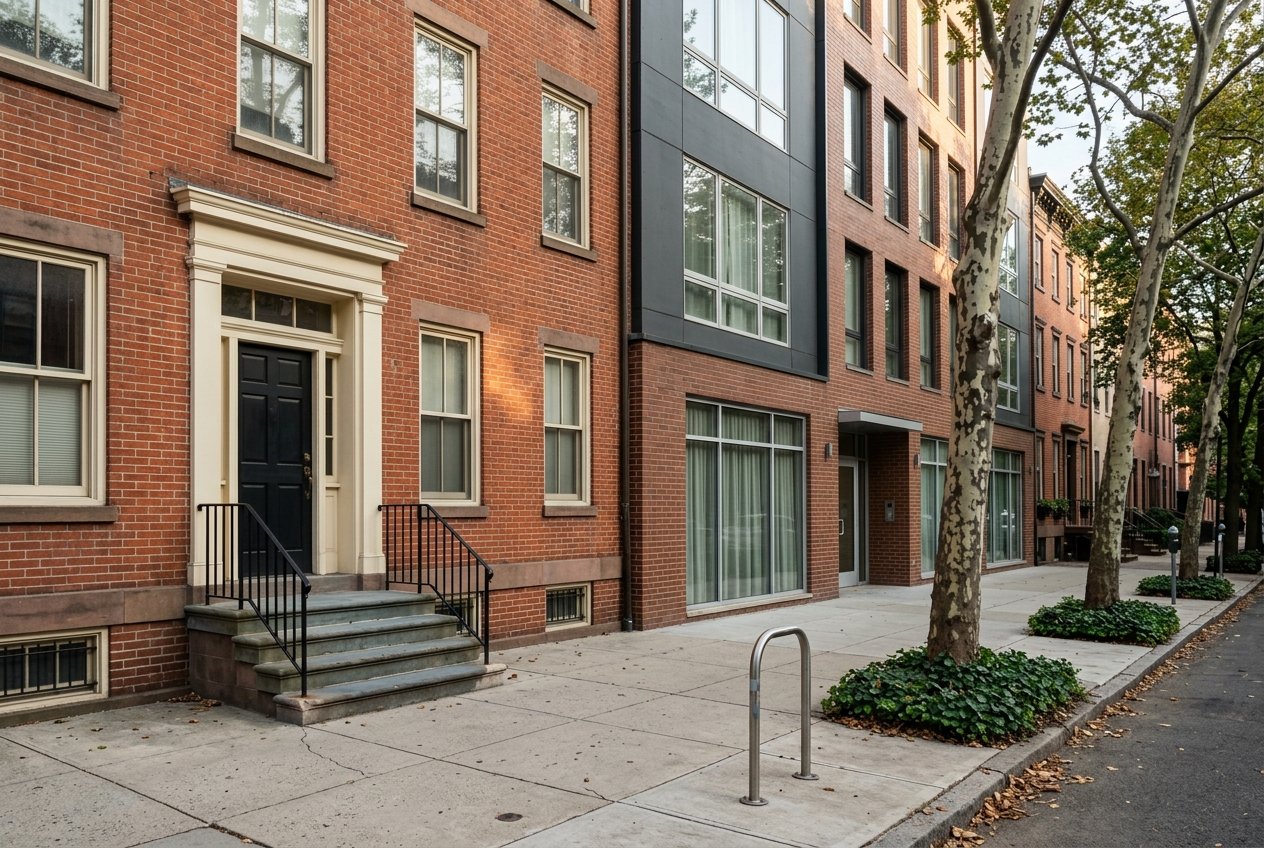
If you are picturing a classic rowhouse neighborhood, NoMa may feel different than you expect. The housing stock in the core is heavily apartment-oriented, with larger multifamily buildings shaping much of the streetscape.
The NoMa BID says the neighborhood core includes about 6,400 apartments, with about 1,900 under construction, plus more than 27 million square feet of new development. Its public directory is dominated by apartment communities such as Camden NoMa, Cielo Modern Apartments, Flats 130 at Constitution Square, Market House Apartments, Mira First and M, Press House Apartments, Rigby, Slate at NoMa, The Belgard, The Lexicon, The Loree Grand, Tribeca NoMa, and Union Place.
For renters, that usually means plenty of options in larger amenity-rich buildings. For buyers, it means you should not assume broad condo inventory across the neighborhood. Condo availability is best checked building by building.
Newer buildings and modern layouts
A big part of NoMa’s identity comes from newer construction. The BID notes that the neighborhood has 30 LEED-certified and Energy Star buildings, which supports the idea that much of the housing stock is relatively modern and concentrated in larger projects.
In practical terms, many homes in NoMa offer the kind of layout and features people often want in an urban setting. That may include elevator access, shared amenities, modern finishes, and easy proximity to retail and transit. The exact features vary by building, so comparing properties carefully is important.
Historic character and adaptive reuse
Not everything in NoMa feels brand new. The neighborhood also has a story of adaptive reuse, which adds another layer to its housing identity. The NoMa BID notes that historic industrial and commercial buildings, including Uline Arena and the Chesapeake and Potomac Telephone Co. building, received historic designations that allowed developers to blend older character with modern uses.
That history helps explain why some spaces feel more loft-like or converted in style. If you like a mix of industrial character and modern updates, this part of NoMa’s built environment may stand out to you.
How Greater NoMa changes at the edges
One important thing to know is that the broader Greater NoMa area is more varied than the core. The BID’s strategic plan says the Union Market side has become a major mixed-use destination with more than 1,900 residential units.
The same plan notes that east of the BID there are stable single-family pockets, while west of North Capitol there is high-density affordable housing. That means your experience can shift noticeably depending on exactly where you are looking. If you are searching in or around NoMa, it helps to define whether you want the core’s dense, newer feel or one of the surrounding areas with a different housing pattern.
Transit and getting around
NoMa is one of DC’s strongest neighborhoods for transportation access. According to the NoMa BID, the area has two Red Line Metro stations, multiple bus routes, protected bike lanes, the Metropolitan Branch Trail, access to Route 50 and Interstate 395, and rail service through Union Station.
WMATA’s NoMa-Gallaudet U station page adds that the station connects to the Metropolitan Branch Trail and has entrances at Florida Avenue and 2nd Street NE, and at M and 2nd Street NE. It is also within walking distance to Union Market and Gallaudet University.
Union Station expands your options even further. The NoMa BID lists Amtrak, MARC, and VRE service there, along with Metrobus, DC Circulator, commuter bus, and intercity bus connections. If you want a car-light lifestyle or need regional access for work or travel, NoMa is especially strong on that front.
Biking and walking
NoMa also works well for people who move around by bike. The BID says Greater NoMa has 10 Capital Bikeshare stations, plus bike pumps and a bikestation adjacent to Union Station. Combined with trail access and protected lanes, that gives residents several alternatives to driving.
For walkers, the neighborhood design matters just as much as the score. Promenades, plazas, parks, and trail connections make walking feel like part of daily life instead of an afterthought.
Who NoMa may fit best
NoMa often works best for people who want a more urban routine. If you value transit, newer multifamily living, easy errands, and strong regional connectivity, it checks a lot of boxes.
It can also appeal to renters, buyers, and investors who want a neighborhood with ongoing development and a clear mixed-use identity. The strongest fit is usually someone looking for a dense city environment rather than a traditional rowhouse setting.
That does not mean there is one single NoMa experience. The closer you stay to the core, the more you are likely to feel that apartment-forward, transit-oriented environment. As you move toward the edges of Greater NoMa, the housing mix and street feel can change.
What to consider before moving
Before choosing a home in NoMa, it helps to get specific about how you want to live. Ask yourself questions like:
- Do you want a building with modern amenities?
- Are you open to apartment-style living, or are you hoping for a different home type?
- How important is Metro access to your daily routine?
- Do you want to be close to parks, trails, and public gathering spaces?
- Are you looking in the core of NoMa or in the surrounding Greater NoMa area?
Those answers can help narrow your search quickly. In a neighborhood like NoMa, the right fit often comes down to building style, location within the area, and how much city energy you want right outside your door.
If you are planning a move in DC and want guidance that is clear, local, and tailored to your goals, Yolanda V. Burgess can help you explore your options with confidence.
FAQs
Is NoMa in DC a walkable neighborhood?
- Yes. The NoMa BID reports a Walk Score of 96, and the area includes parks, plazas, promenades, protected bike lanes, and trail connections that support everyday walking.
Are homes in NoMa mostly apartments or condos?
- The neighborhood core is mostly apartment-oriented, based on the NoMa BID’s development data and public directory. Condo inventory should be confirmed building by building.
Does NoMa feel like a traditional DC neighborhood?
- The core generally feels more like a newer, denser mixed-use district than a traditional rowhouse neighborhood, based on the NoMa BID’s descriptions of the area.
What parks and open spaces are in NoMa?
- Official examples include Alethia Tanner Park, Swampoodle Park, Swampoodle Terrace, Mamie Peanut Johnson Plaza, and the NoMa Meander.
Is NoMa a good area for commuting around DC and beyond?
- Yes. NoMa has two Red Line Metro stations, bus service, bike infrastructure, access to Route 50 and Interstate 395, and regional rail connections through Union Station.