If you want more space, a quieter residential setting, and easy access to the Potomac River, Fort Washington may already be on your radar. Many buyers looking in Prince George’s County want a place that feels established and residential without giving up access to the broader DMV. This guide will help you understand what daily life in Fort Washington is actually like, from housing and commuting to parks, amenities, and overall lifestyle. Let’s dive in.
Fort Washington at a Glance
Fort Washington sits in Prince George’s County on the Maryland side of the Potomac River, just south of Washington, DC. Its setting helps shape the feel of the community, with river views, parkland, and a largely suburban layout.
It is also a community with a strong ownership profile. According to Census QuickFacts, Fort Washington had a 2020 population of 24,261, an owner-occupied housing rate of 91.3%, a median owner-occupied home value of $480,100, and a median household income of $143,333. Those numbers point to an established, homeowner-focused market.
Fort Washington Feels Residential and Established
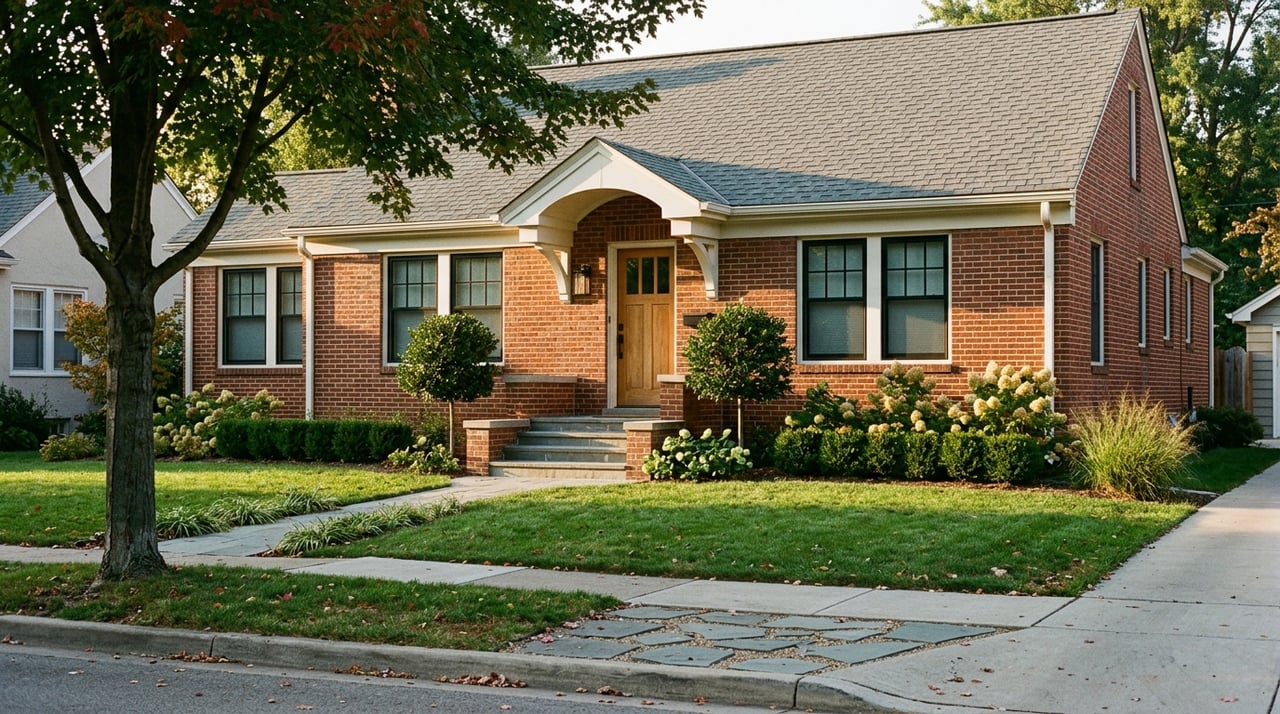
One of the first things you may notice about Fort Washington is that it does not feel dense or overly built up. The area is largely made up of residential streets, detached homes, and green space, which gives it a more settled suburban character than some nearby communities.
For many buyers, that is a big part of the appeal. If you are looking for a place that feels rooted, spacious, and less fast-paced than the urban core, Fort Washington often stands out.
Housing in Fort Washington
Detached homes dominate the market
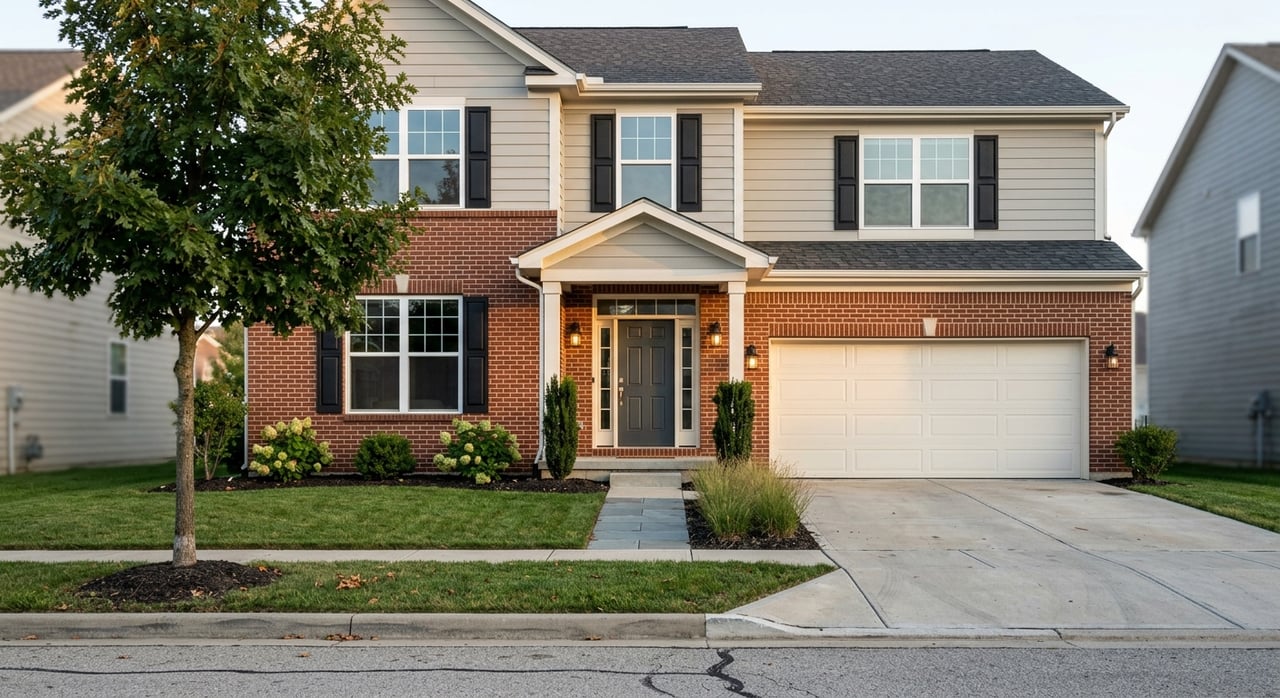
Fort Washington is known for its single-family housing stock. Maryland State Data Center ACS data shows 8,854 total housing units, and 8,610 of them, or 97.2%, are classified as 1-unit detached homes.
That is a major defining feature of the market. If you are searching for a neighborhood where detached homes are the norm rather than the exception, Fort Washington offers that at a very high rate.
Homes tend to be larger
Size is another key part of the local housing picture. The same ACS data shows that 49.5% of homes have 4 bedrooms and 26.7% have 5 or more bedrooms.
That bedroom mix can appeal to buyers who want extra room for guests, work-from-home setups, hobbies, or long-term flexibility. If space is high on your list, Fort Washington has a housing profile that supports that goal.
Much of the housing stock is established
Fort Washington is not primarily a brand-new construction market. The largest shares of homes were built in the 1970s and 1980s, which contributes to the area’s established feel.
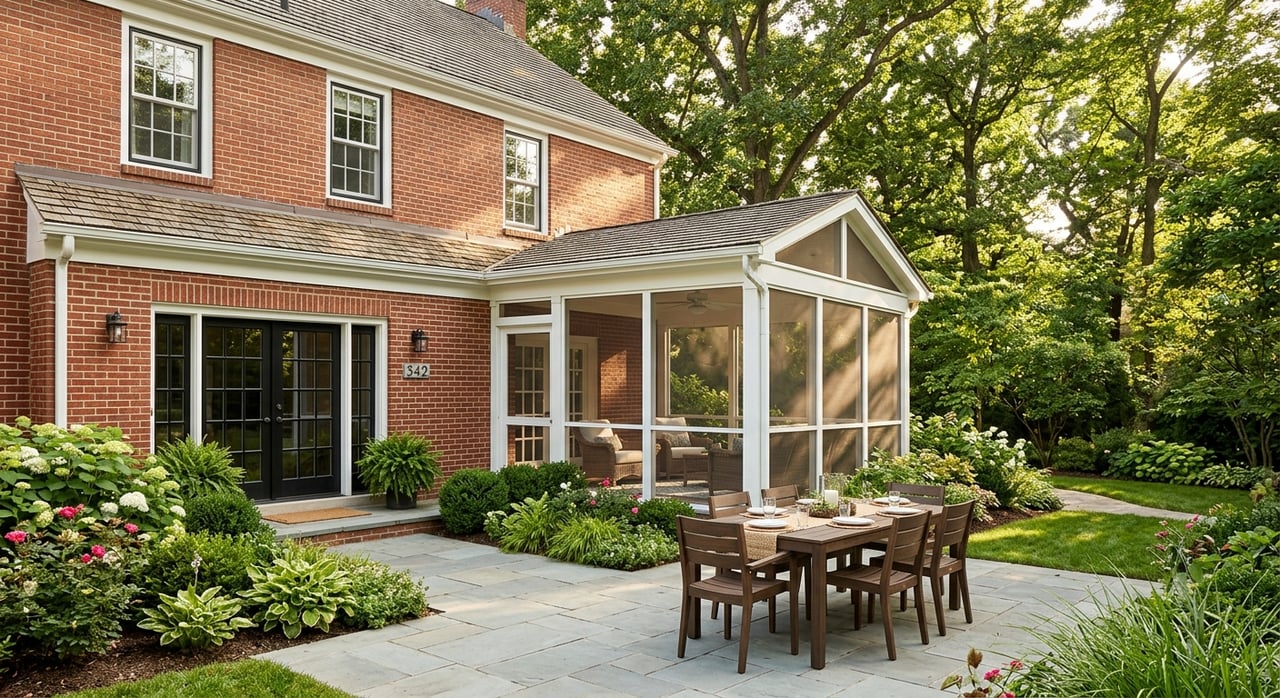
For buyers, that can mean mature neighborhoods, more consistent streetscapes, and homes with layouts and lot sizes that differ from newer subdivisions. It also means you may see a mix of original-condition properties and homes that have been updated over time.
Outdoor Living Is a Major Draw
Fort Washington Park shapes the area
Outdoor access is one of the strongest lifestyle advantages in Fort Washington. Fort Washington Park is a 341-acre historic and recreational area with picnicking, hiking, fishing, and Potomac River views.
That kind of nearby green space can have a real impact on day-to-day life. Whether you enjoy scenic drives, waterfront views, or casual weekends outdoors, the park adds a distinctive local benefit.
Piscataway Park adds more nature access
Piscataway Park expands the area’s outdoor appeal even further. The park includes nature trails, meadows, woodland areas, boardwalks over tidal wetlands, a public fishing pier, and National Colonial Farm.
The National Park Service also notes the presence of wildlife such as bald eagles, beavers, deer, foxes, and ospreys. For people who value nature close to home, that is a meaningful part of the Fort Washington experience.
Boating and river access are part of the lifestyle
Fort Washington Marina is another standout feature. In a 2025 National Park Service notice, it was described as an operational 194-slip marina with a public boat launch and access to Piscataway Creek and the Potomac River.
That gives Fort Washington a lifestyle angle you do not find in every suburban market. If boating, fishing, or spending time on the water matters to you, this location offers real access rather than just proximity on a map.
Nearby Things To Do
Fort Washington offers a more residential atmosphere, but you are not cut off from entertainment and activities. National Harbor is nearby and adds regional dining, shopping, events, waterfront dining, The Capital Wheel, and MGM National Harbor.
For arts and cultural programming, Harmony Hall Arts Center on Livingston Road offers classes, exhibitions, and performances. That gives residents a local option for creative programming in addition to the broader entertainment choices in the surrounding area.
Commuting From Fort Washington
Most residents rely on driving
Fort Washington is still largely car-oriented. ACS commuting data shows that 66.9% of workers drove alone, 9.2% carpooled, 4.3% used public transportation, and 16.5% worked from home.
The mean travel time to work is 37.9 minutes, according to Census QuickFacts. That number helps set realistic expectations if you are planning regular travel to DC, Northern Virginia, or other parts of the region.
Key routes matter here
The main driving routes include MD 210, also known as Indian Head Highway, and the Capital Beltway. The Woodrow Wilson Bridge is especially important for trips toward Alexandria and Northern Virginia because it carries I-95 and I-495 across the Potomac between Virginia and Prince George’s County.
If you are considering Fort Washington, it is smart to think through your most common destinations. A neighborhood that fits your home preferences should also fit the way you move through the DMV each week.
Transit is available, but limited
Public transportation options do exist, but they are more limited than in some other parts of the region. Harmony Hall notes that limited public transportation is available, and WMATA’s P97 route connects the Fort Washington Park & Ride with Southern Avenue Station.
For some residents, that may be useful as part of a hybrid commute. Still, the overall transportation picture supports the idea that Fort Washington works best for many people who expect to drive regularly.
Who Fort Washington May Appeal To
Fort Washington can be a strong fit if you want a more suburban setting with larger detached homes and outdoor access. It may especially appeal to buyers who want room to grow, an established residential feel, and access to parks and the river.
It can also make sense if you want to stay connected to the broader DMV while living in a quieter setting. Buyers who work in different parts of the region often weigh that balance carefully, especially when comparing space, lifestyle, and commute patterns.
What To Consider Before Moving
No neighborhood is one-size-fits-all, and Fort Washington is no exception. Before you make a move, it helps to think about how the area matches your daily routines and long-term goals.
Here are a few practical questions to ask yourself:
- Do you want a detached home with more interior space?
- Would you enjoy living near parks, trails, and river access?
- Are you comfortable with a mostly car-based lifestyle?
- Do your regular commute routes line up well with MD 210, the Beltway, or the Woodrow Wilson Bridge?
- Are you looking for an established homeowner-oriented community rather than a high-density environment?
Those answers can help you decide whether Fort Washington fits not just your budget, but your lifestyle.
Why Buyers Look Here
In many parts of the DMV, buyers are trying to balance space, convenience, and long-term value. Fort Washington enters that conversation because it offers a housing profile that is hard to ignore: mostly detached homes, a high owner-occupancy rate, and a setting shaped by parkland and the Potomac River.
That does not mean it is the right fit for everyone. It does mean that if your priorities include space, residential character, and outdoor amenities, Fort Washington deserves a closer look.
If you are comparing communities in Prince George’s County or planning a move within the DMV, local guidance can make the process much clearer. Yolanda V. Burgess can help you understand how Fort Washington fits your goals and what to watch for as you explore your next move.
FAQs
What is the overall feel of living in Fort Washington, MD?
- Fort Washington has a largely suburban, residential feel shaped by detached homes, green space, and access to the Potomac River.
What types of homes are common in Fort Washington, MD?
- Most homes in Fort Washington are detached single-family houses, and many have four or more bedrooms.
Is Fort Washington, MD good for outdoor activities?
- Fort Washington offers strong outdoor access through Fort Washington Park, Piscataway Park, nature trails, fishing areas, river views, and marina access.
How do most people commute from Fort Washington, MD?
- Most residents commute by car, with MD 210, the Capital Beltway, and the Woodrow Wilson Bridge playing major roles in regional travel.
Is public transportation available in Fort Washington, MD?
- Yes, but options are limited, including WMATA’s P97 route between the Fort Washington Park & Ride and Southern Avenue Station.
Who might enjoy living in Fort Washington, MD?
- Fort Washington may appeal to buyers who want larger detached homes, an established residential setting, and convenient access to parks and the river.